
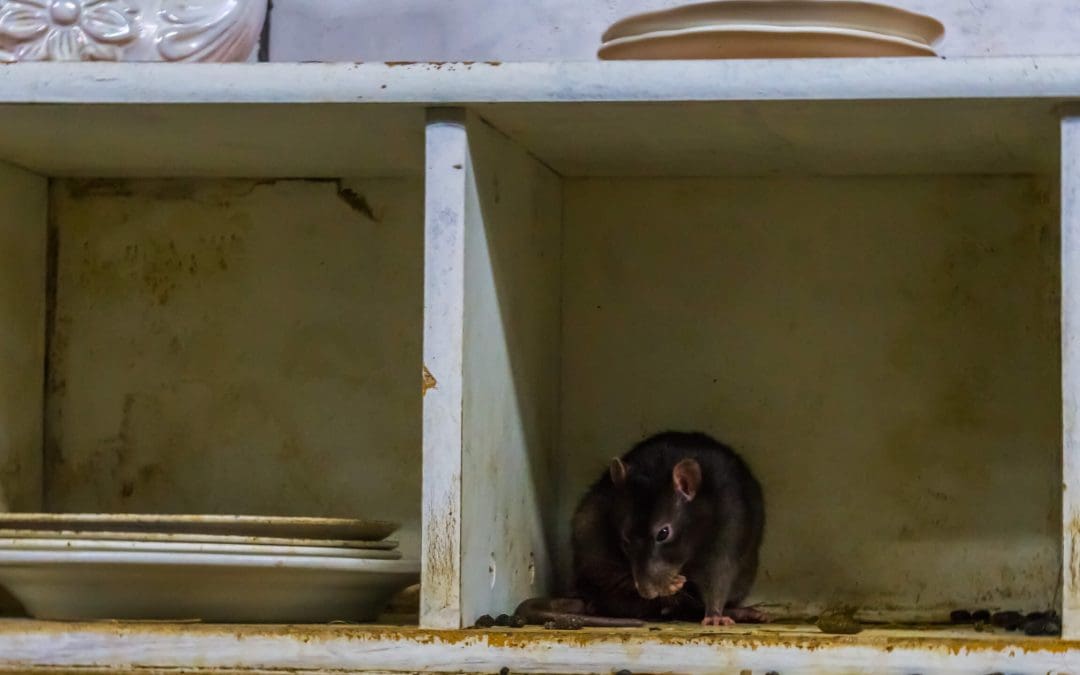
Pests don’t show up by accident. They’re looking for food, water, and shelter. If your home offers easy access to any of those, they’ll take advantage of it. Effective prevention means making your home unwelcoming to pests before they appear, not reacting after they’ve moved in. This guide walks through simple, effective ways to prevent pests from becoming a problem in the first place.
If You Want to Prevent Pests, Cut Off What They’re After
If pests can’t find what they need to survive, they’ll move on. That starts with keeping your kitchen and pantry clean. Wipe up spills. Rinse dishes instead of letting them sit. Sweep under appliances. And store anything that smells like food—cereal, flour, sugar, snacks—in sealed containers.
Pet food also attracts pests. Don’t leave it out overnight or store it in the original bag. Use a tight-sealing bin.
Water is just as important. Roaches and other pests love moisture. Fix drips, clean up standing water, and keep things dry around the sink, fridge, and dishwasher. If you’ve got a damp basement or crawl space, use a dehumidifier and check for leaks regularly.
Shut Down Their Entry Points
Bugs and rodents don’t need a big opening to get inside. Mice can squeeze through gaps the size of a dime. Roaches only need a crack.
Start by checking around windows and doors. If you see light coming through, you’ve got a gap. Add weatherstripping or door sweeps where needed. For small cracks around siding, pipes, or vents, use caulk or foam sealant.
Look up, too. Rooflines, attic vents, and chimneys are common entry points. If trees or bushes are touching the house, pests can use them as a bridge. Cut them back so they don’t reach the roof or walls.
Garage doors are another weak spot. If they don’t seal tightly, you’re giving pests an easy entrance. Adjust or replace the rubber seal at the bottom if it’s worn out.
Yard Habits That Prevent Pests
Your lawn and landscaping play a bigger role than most people think. Overgrown grass, piles of wood, or thick mulch near the foundation are pest havens. Keep grass trimmed and clear away clutter.
Don’t stack firewood next to the house, and avoid letting mulch sit right up against your siding. That creates a soft, damp zone that ants, termites, and roaches love.
Gutters matter here, too. If they’re clogged or draining too close to the house, you’ll end up with moisture around the foundation. That attracts bugs and weakens your home’s defenses. Keep gutters clean and redirect water away from the structure.
Be Careful What You Bring Inside
A lot of pest problems start when something gets carried in. Cardboard boxes, storage bins, secondhand furniture, and even grocery bags can all bring pests with them.
Before you bring something inside—especially if it’s been sitting in the garage, attic, or a storage unit—give it a once-over. Look for live bugs, droppings, or damage. If you’re moving furniture into your home from someone else’s, take time to inspect the seams, corners, and under cushions.
Pests don’t need a crowd to start a problem. A single pregnant roach or a couple of bed bugs can quickly turn into an infestation.
Keep Up With Routine Checks
A lot of pest issues build slowly. You won’t see a full-blown infestation right away. That’s why consistency matters.
Once a month, do a walk-through. Check for signs like droppings, gnaw marks, chewed food packaging, or dirt smudges along baseboards. Look under sinks and behind appliances for moisture. Walk the outside of your home and seal anything that looks suspicious.
Staying ahead of potential issues matters more than tackling everything at once.
FAQs on How to Prevent Pests
How do I know if pests are getting in somewhere?
Check for signs like droppings, gnawed materials, damaged food packaging, or oily smudge marks along walls. If you hear scratching or see movement at night, it’s worth investigating further.
Are store-bought sprays enough to prevent pests?
They can help with short-term control, but don’t solve the cause. Sealing entry points and removing food and water sources will have a longer-lasting impact.
How often should I check my home for pests?
Monthly checks help prevention. It doesn’t need to be a full inspection—just a quick walkthrough inside and outside to catch anything early.
Do I need professional pest control if I don’t have an infestation?
Not always. If your home is sealed well and you keep up with prevention, you may not need it. But if you live in a high-risk area or you’ve had repeat issues, it can help to have a pro check things out seasonally.
What’s the biggest mistake people make with pest control?
Waiting until it’s a full-blown problem. By then, it’s harder to fix. Most pest issues start small and get worse over time. Early action always pays off.
Golden Rule Home Inspections offers professional home inspection services in Lee, Collier, and Charlotte Counties. Contact us to schedule an appointment.