
With higher temperatures, increased humidity, and daily rainstorms, your home needs extra care during summer. A little home maintenance now can save you time, money, and stress down the road.
Maintain Your Cooling System
Maintaining your air conditioning system is important for creating a comfortable living space during the summer months. Regular upkeep helps ensure your HVAC system runs efficiently and reliably when you need it most. Change the filters, check the thermostat settings, and listen for unusual noises when it turns on. Consider scheduling a professional inspection now if it’s been a while since your last one. Regular servicing can improve efficiency, lower energy bills, and prevent unexpected breakdowns on the hottest days of the year.
Don’t forget about ceiling fans and attic fans. Clean off the blades, ensure they’re spinning in the correct direction (counterclockwise in summer), and replace any batteries in remote controls or wall units. These little steps help your home stay cooler without overworking the AC.
Check Windows and Doors for Leaks and Drafts
It might seem like sealing up drafts is more of a winter concern, but hot air leaking in—or cool air escaping—will significantly impact your energy bills. Inspect windows and doors for gaps, cracked caulk, or worn weather stripping. Replacing or repairing these areas helps your home stay more comfortable and energy-efficient.
Give Your Roof and Gutters a Check-Up
Summer storms can cause damage to your roof. Use a ladder to look for missing shingles, signs of sagging, or debris buildup. If anything looks off, or you can’t safely inspect yourself, bring in a professional to take a closer look. It’s always better to catch a small issue before it turns into a costly repair.
Make sure your gutters and downspouts are clear. Even though fall brings more debris, summer storms occasionally knock leaves and sticks into the system. Clogged gutters will often lead to water pooling around your foundation or backing up under shingles.
Keep Landscaping in Check
Your yard can either enhance your home’s appearance or drag it down. Trim back trees and bushes that are close to the house to reduce the risk of damage during a storm. Overgrown shrubs occasionally trap moisture against the home’s exterior, leading to mold and rot over time.
Inspect sprinkler systems for leaks or misaligned heads that waste water or spray against the home’s foundation. Ensure flower beds and mulch are graded away from the house to help direct rainwater away instead of toward your home.
Wash and Inspect Exterior Surfaces
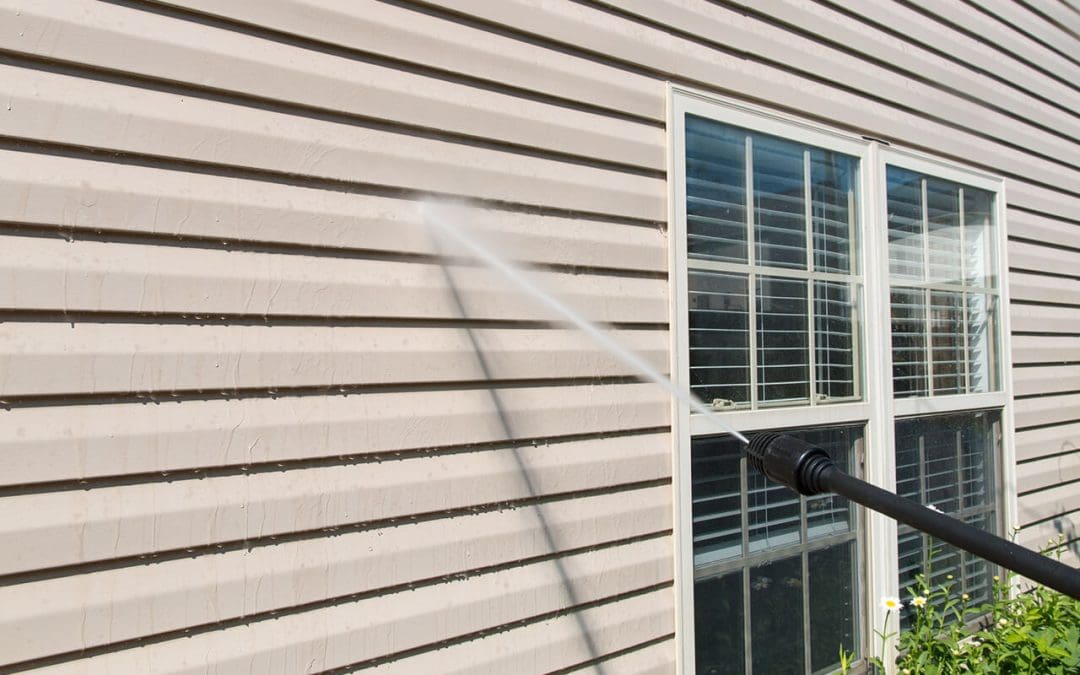
Take advantage of the warm weather to clean the exterior of your home. Pressure washing removes built-up dirt, mildew, and grime from siding, decks, patios, and driveways. As you wash, inspect surfaces for signs of damage. Look for cracking, peeling paint, warped boards, or signs of insect activity.
Decks and fences may need resealing or painting to protect against the sun’s harsh rays and moisture from summer rain. Proper maintenance often extends their life and keeps your outdoor spaces looking great all season.
Test Safety Devices During Home Maintenance
Home maintenance isn’t just about appearances and comfort—it’s also about safety. Summer is a great time to test smoke detectors, carbon monoxide detectors, and fire extinguishers. Replace batteries as needed and check the expiration dates on your extinguishers.
It’s also a smart idea to review your family’s emergency plan. If you live in an area prone to hurricanes or wildfires, have a preparedness kit ready and know where to go if evacuation is necessary. Having a plan in place gives everyone peace of mind.
Staying on top of summer home maintenance helps your home stay efficient, comfortable, and safe throughout the season. A little effort now goes a long way in preserving your property and avoiding costly repairs later on.
Frequently Asked Questions About Home Maintenance
How often should I change my HVAC filter in the summer?
During the summer months, when your system runs more often, it’s best to check your filter monthly and change it every 1–2 months, especially if you have pets or allergies.
Do I need to have my roof inspected every year?
A visual inspection each season is a good habit, but a professional roof inspection is generally recommended every 1–2 years, or immediately after a major storm.
Can I pressure wash my house myself?
Yes, but be careful. Too much pressure or the wrong settings can damage siding, wood, or paint. Always follow the manufacturer’s instructions or hire a professional if you’re unsure.
What direction should ceiling fans turn in summer?
In summer, ceiling fans should rotate counterclockwise. This pushes air downward, creating a cooling breeze that makes rooms feel cooler.
Why is grading around the house important?
Proper grading keeps water from pooling around your foundation, which eventually causes erosion, mold, or even structural issues. Make sure the soil slopes gently away from your home.
Golden Rule Home Inspections offers professional home inspection services in Lee, Collier, and Charlotte Counties. Contact us to schedule an appointment.