
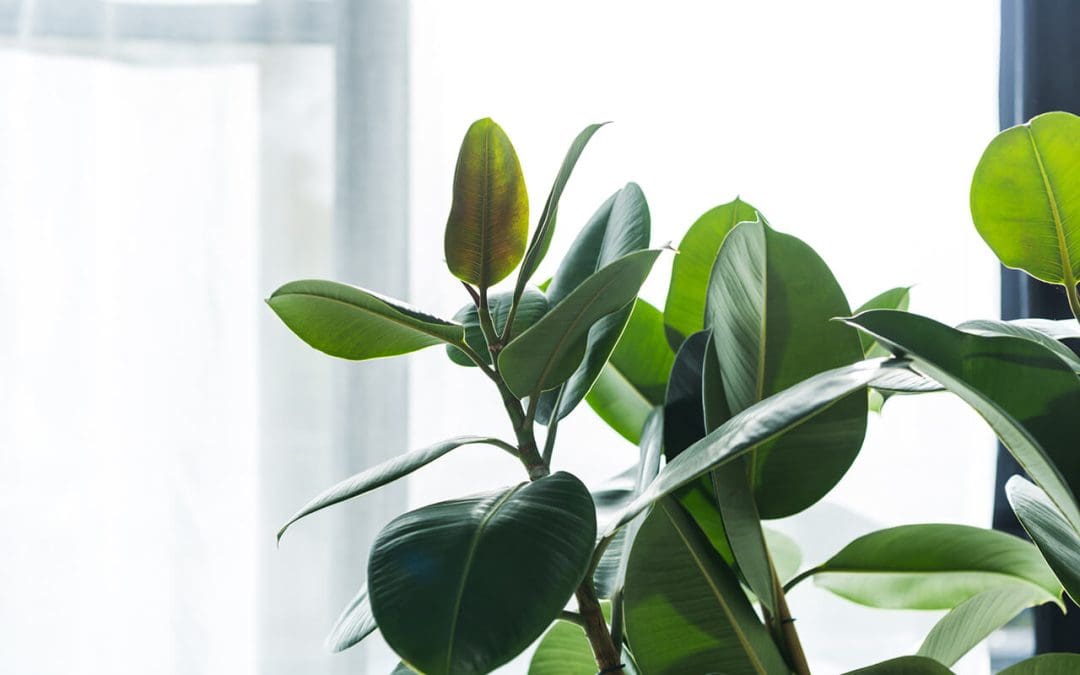
Nothing makes a room feel more finished than a healthy plant. Indoor plants soften hard edges, add color, and make a space feel lived in. They also have a reputation for dying in the hands of well-meaning owners. The truth is that most plant problems come from a handful of easy mistakes, mostly too much water and not enough light. In Southwest Florida, where homes get plenty of sun and humidity, you have an advantage. Here is how to choose the right plants and keep them thriving. With a little attention, you can have a room full of green that looks sharp year-round.
Match Indoor Plants to Your Light
Light is the biggest factor in plant health. Before you buy, spend a day noticing how sun moves through your rooms. South and west windows give strong light, east windows give gentle morning sun, and north windows give the least. Succulents and many palms like bright spots, while pothos, snake plants, and ZZ plants tolerate lower light. Buying a plant that suits your room is far easier than trying to change the room to suit the plant. A picky eye for placement saves money and frustration. If a spot is too dark, a simple grow light can make up the difference. Keep leaves from touching hot windows in summer, since sun through glass can scorch them. Sheer curtains soften harsh afternoon rays, which is especially helpful in sunny Florida rooms that face west.
Get Watering Right
More indoor plants die from too much water than too little. Instead of watering on a schedule, check the soil. Push a finger an inch or two into the pot, and water only when it feels dry at that depth. When you water, do it thoroughly until it drains from the bottom, then empty the saucer so roots don’t sit in water. Make sure every pot has a drainage hole. Humid homes dry out more slowly, so you may need to water less often than you think. Use room-temperature water, since cold water can shock the roots. Pots with a drainage hole set inside a decorative cachepot give you style and function. Lift the pot to feel the weight, because a light pot usually means dry soil, and a heavy one means it still has plenty of moisture.
Choose Easy, Good-Looking Plants
If you want results without fuss, start with forgiving varieties. Snake plants, pothos, and ZZ plants shrug off neglect. Rubber plants and fiddle-leaf figs give a bold look, though fiddle-leaf figs can be fussy. Peace lilies droop dramatically when thirsty, which makes them easy to read. Pick plants with healthy, firm leaves and no spots or pests, and choose a pot with a clean, simple style that suits your decor. A few well-chosen indoor plants look better than a crowded shelf. Think about scale as well. One tall plant in a corner can make a stronger statement than several small ones scattered across a table, and a trailing plant on a shelf adds softness. Group a few pots of different heights together for a polished, designed look.
Keep Indoor Plants Healthy Through the Seasons
Plants grow more slowly in winter, so cut back on water and skip fertilizer until spring. Wipe dusty leaves with a damp cloth every few weeks so they can absorb light. Rotate pots a quarter turn each week so growth stays even. Watch for pests such as gnats, spider mites, and scale, and treat problems early with insecticidal soap. Repot when roots circle the pot or poke out the bottom. Regular attention keeps indoor plants looking sharp all year. Move plants away from cold drafts and air conditioning vents, which can dry leaves and cause brown tips. Keep them a few feet from heating or cooling vents. Check the undersides of leaves when you water, because that is where pests like to hide.
Frequently Asked Questions (FAQs)
How often should I water indoor plants?
It depends on the plant, pot, and light. Check the soil rather than following a schedule, and water when the top inch or two is dry.
Which indoor plants are hardest to kill?
Snake plants, pothos, and ZZ plants tolerate low light and occasional neglect. They also do well in the bright light common in Southwest Florida.
Why are my plant’s leaves turning yellow?
Overwatering is the most common cause. Check drainage and let the soil dry out between waterings. Brown tips usually mean dry air or salt buildup.
Do indoor plants need fertilizer?
Yes, but lightly. Feed during spring and summer growth, and skip it in winter. Use a balanced houseplant fertilizer at half strength.
Are indoor plants safe for pets?
Some are toxic to cats and dogs, including pothos and peace lilies. Check the ASPCA list before you buy. Keep toxic plants out of reach.
Golden Rule Home Inspections offers professional home inspection services in Lee, Collier, and Charlotte Counties. Contact us to schedule an appointment.