
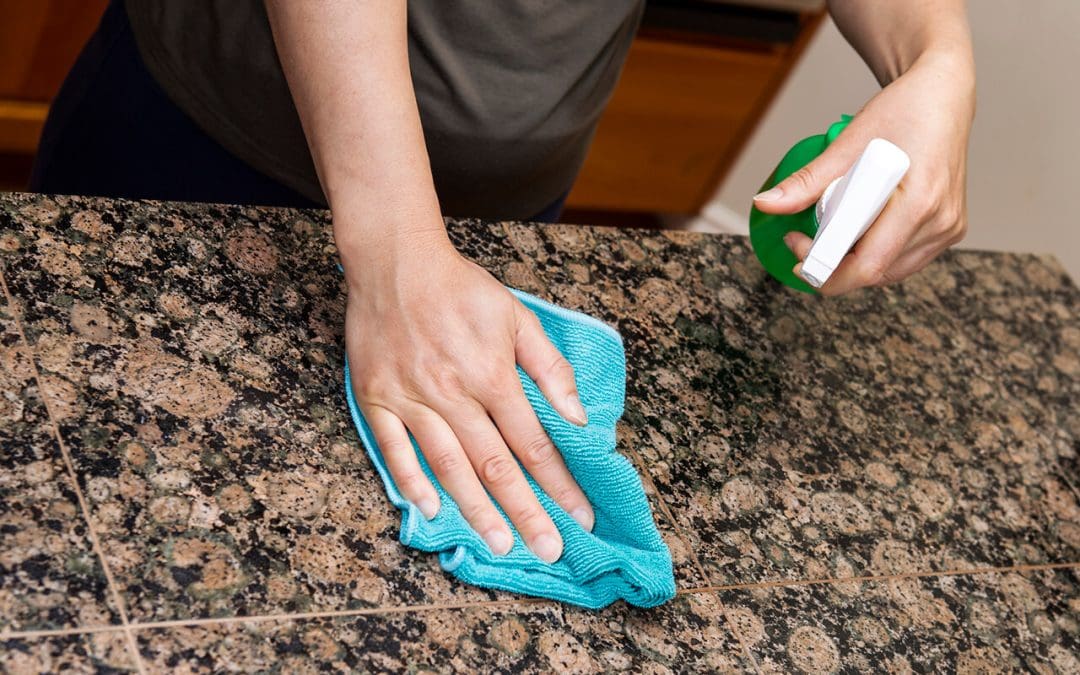
Kitchen cleanup is one of those daily tasks that can feel disproportionately draining, because it tends to happen at the end of a meal when energy is low, the mess looks bigger than it is, and the path to a clean kitchen feels longer than it needs to be. The difference between a kitchen that stays reasonably clean and one that accumulates into a production every evening usually comes down to a few specific habits and systems rather than the amount of time or effort applied.
The Kitchen Cleanup Habits That Actually Reduce the Total Work
The single most impactful kitchen cleanup habit is also the most consistently avoided: cleaning as you go. Wiping the stovetop while it’s still warm takes thirty seconds; waiting until morning means hardened residue that requires real effort. Addressing surfaces, tools, and spills as they happen rather than letting them accumulate produces a kitchen that’s essentially clean by the time the meal is on the table, making post-meal kitchen cleanup a finishing task rather than a starting one. Loading the dishwasher as dishes are used rather than stacking them in the sink has an outsized impact. A sink full of stacked dishes is visually overwhelming, requires rinsing before loading anyway, and represents cleanup deferred. A dishwasher loaded incrementally throughout meal preparation is full and ready to run by the time dinner is done, and the sink stays clear throughout, making the whole kitchen feel more manageable.
Setting Up Your Kitchen for Easier Cleanup
The physical organization of the kitchen directly impacts how difficult kitchen cleanup is in practice. A kitchen where cleaning supplies are accessible and surfaces are clear is easier to clean than one where you have to search for the sponge and move accumulated items to reach surfaces. Keeping a spray cleaner and a microfiber cloth within arm’s reach of the stovetop makes wiping surfaces after cooking a ten-second act rather than a deliberate task. The friction involved in getting to the cleaning tools is often what prevents the quick wipe from happening. Reduce the friction, and the habit follows. Counter space matters enormously for kitchen cleanup efficiency. Every appliance permanently occupying counter space is a surface that has to be cleaned around. Appliances used less than daily stored in accessible cabinets reduce the cleanup footprint and make wiping the full counter a matter of seconds rather than navigation.
Products and Tools That Make Kitchen Cleanup Faster
Microfiber cloths outperform paper towels and standard dish rags for most kitchen cleanup tasks. They clean effectively with water alone on many surfaces, they’re reusable, and they don’t leave streaks on appliances and countertops. Keeping a supply folded and accessible makes them the default reach for any quick wipe. A bench scraper, the flat-bladed tool used for pastry work, is one of the most useful kitchen cleanup tools most homeowners don’t have. It clears cutting board debris in a single pass, scrapes dried food from countertops without scratching, and transfers chopped ingredients cleanly. A tool that reduces mess and surface debris pays for itself in cleanup time almost immediately. Sink organization keeps kitchen cleanup tools accessible and prevents the sink area from becoming its own clutter zone. A clean, organized sink area signals order even when the rest of the kitchen is mid-task.
Frequently Asked Questions (FAQs)
What is the most effective way to keep up with kitchen cleanup daily?
A combination of cleaning as you go and a consistent end-of-day reset works best. The clean-as-you-go habit prevents accumulation during cooking. The end-of-day reset maintains the baseline so that morning starts from a manageable position rather than the previous day’s backlog. Neither requires significant time; both require consistency.
How do I motivate myself to do kitchen cleanup when I’m tired after cooking?
The most useful reframe is thinking of kitchen cleanup not as a task separate from cooking but as the final step of the process. Building cleanup into the cooking routine means the post-meal task is minimal rather than substantial. When kitchen cleanup is genuinely reduced to wiping counters and running the dishwasher, the motivational barrier largely disappears.
What kitchen surfaces are hardest to keep clean and how do I manage them?
The stovetop is the highest-maintenance surface for most homeowners because cooking grease accumulates and hardens over time. Wiping it after every cooking session is the maintenance habit that prevents the buildup that makes stovetop cleaning a project. Stainless steel appliances show fingerprints readily; a microfiber cloth with a small amount of mineral oil creates a protective barrier that makes wipe-downs faster. Grout lines in tile backsplashes are another accumulation surface worth addressing regularly before they require serious scrubbing.
Does the type of countertop material affect kitchen cleanup difficulty?
Yes significantly. Quartz and solid-surface countertops are among the easiest to clean, non-porous, no sealing required, and stain-resistant. Natural stone like granite requires regular sealing, and marble can etch from acidic foods left in contact. Butcher block requires regular oiling and prompt attention to water and stains. Tile countertops with grout lines create the most kitchen cleanup complexity because the grout requires regular maintenance to stay clean.
How do I keep the kitchen clean when other household members aren’t consistent?
Systems that require the least behavioral change work best in shared kitchens. An open dishwasher people can load directly, a clearly designated spot for items without a home, a trash can positioned conveniently during cooking, and countertops clear enough that wiping takes seconds all reduce the friction that causes kitchen cleanup avoidance.
Golden Rule Home Inspections offers professional home inspection services in Lee, Collier, and Charlotte Counties. Contact us to schedule an appointment.