
A fresh coat of paint will completely transform your home’s atmosphere, brighten up a room, and give your space new life. Whether you’re tackling a complete home makeover or just refreshing one room, following these smart painting tips will make all the difference between a professional-looking finish and a frustrating experience. With the right preparation, tools, and techniques, you will confidently take on your next painting project.
Painting Tips: Preparation is the Foundation of Success
Preparation is key before you dip a brush into paint. Start by removing furniture or covering it with plastic sheeting to protect it from drips and splatters. Clean your walls thoroughly to remove dust, grease, or grime that could prevent the paint from adhering properly. Patch any holes or cracks and sand the surface for a flawless finish. Once your surface is prepped, apply painter’s tape along trim, ceilings, and edges to create crisp lines. Don’t rush this step; good prep work is one of the most overlooked but essential painting tips that separates amateurs from pros. It’s also worth investing in high-quality materials, as they’ll save time and deliver better results in the long run.
Choosing the Right Paint and Tools
When it comes to paint, quality matters. High-quality paints provide better coverage, richer color, and a smoother finish that lasts longer. Consider your space before choosing the type of paint. Flat finishes hide imperfections but are harder to clean, while satin and semi-gloss are more durable and easier to wipe down, making them ideal for high-traffic areas like kitchens or hallways. Equally important are your tools. Brushes, rollers, and trays could make or break your project. Use angled brushes to cut along trim and edges, and select the right roller nap based on your wall texture. For example, a shorter nap works best on smooth walls, while a thicker one covers textured surfaces more effectively. These painting tips may seem small, but they go a long way toward achieving a polished, even look.
Painting Tips for Professional Application
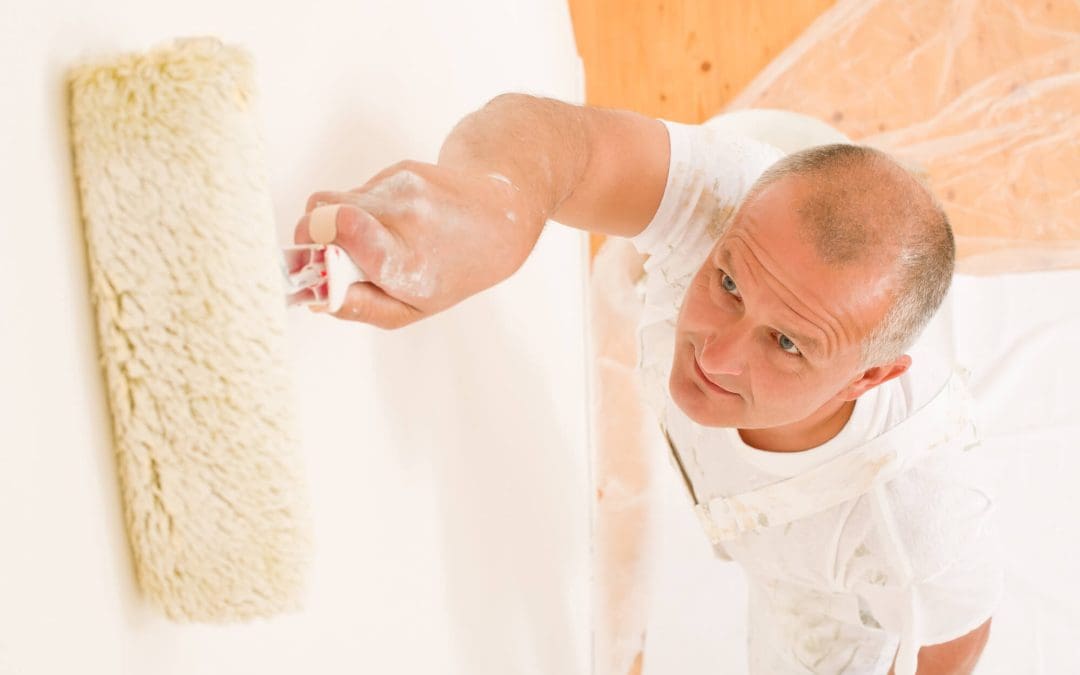
Once everything is prepped, it’s time to start painting. Begin by cutting in around the edges with a brush before using a roller on the larger areas. Working in sections and maintaining a wet edge prevents visible lines or streaks. Use long, smooth strokes when rolling paint, and avoid pressing too hard, it could lead to uneven coverage. Let each coat dry completely before applying the next one. Rushing between coats often results in peeling or visible roller marks. A good rule of thumb is to apply two coats for the best finish, especially if you’re covering a darker color. Patience pays off, and this is one of those painting tips that guarantees your final result looks seamless and professional.
Color Choices That Elevate Your Space
Color has the power to change how a room feels, warm tones create coziness, while cool shades make a space feel larger and calmer. Before committing, test a few paint samples on your walls and observe them throughout the day as lighting changes. What looks perfect under store lighting may appear very different in your home. If you’re painting multiple rooms, consider how colors flow from one space to another. Complementary shades or subtle contrasts will tie your home together beautifully. Don’t underestimate the impact of undertones, gray, beige, or white all shift depending on the surrounding decor and lighting.
Painting Tips for a Long-Lasting Finish
After all your hard work, you’ll want the results to last. Keep your paint cans sealed for future touch-ups and note the brand and color for reference. Wait at least a few days before washing freshly painted walls to allow them to fully cure. Regular dusting and gentle cleaning will help maintain the vibrancy and freshness of your new paint job. If you’re painting a high-moisture area like a bathroom or kitchen, use mildew-resistant paint to prevent peeling and staining. These simple painting tips will help you maintain your walls and keep them looking pristine for years to come.
Frequently Asked Questions (FAQs)
How long should I wait between coats of paint?
Typically, you should wait at least two to four hours between coats, depending on humidity, temperature, and the type of paint. Always check the manufacturer’s recommendations for best results.
What’s the best way to prevent brush marks?
Use smooth, even strokes and avoid overloading your brush with paint. Quality brushes and the right technique help guarantee a streak-free finish.
Should I use primer before painting?
Yes, especially if you’re covering dark colors or painting over bare drywall. Primer helps paint adhere better and provides a more uniform appearance.
Golden Rule Home Inspections offers professional home inspection services in Lee, Collier, and Charlotte Counties. Contact us to schedule an appointment.