
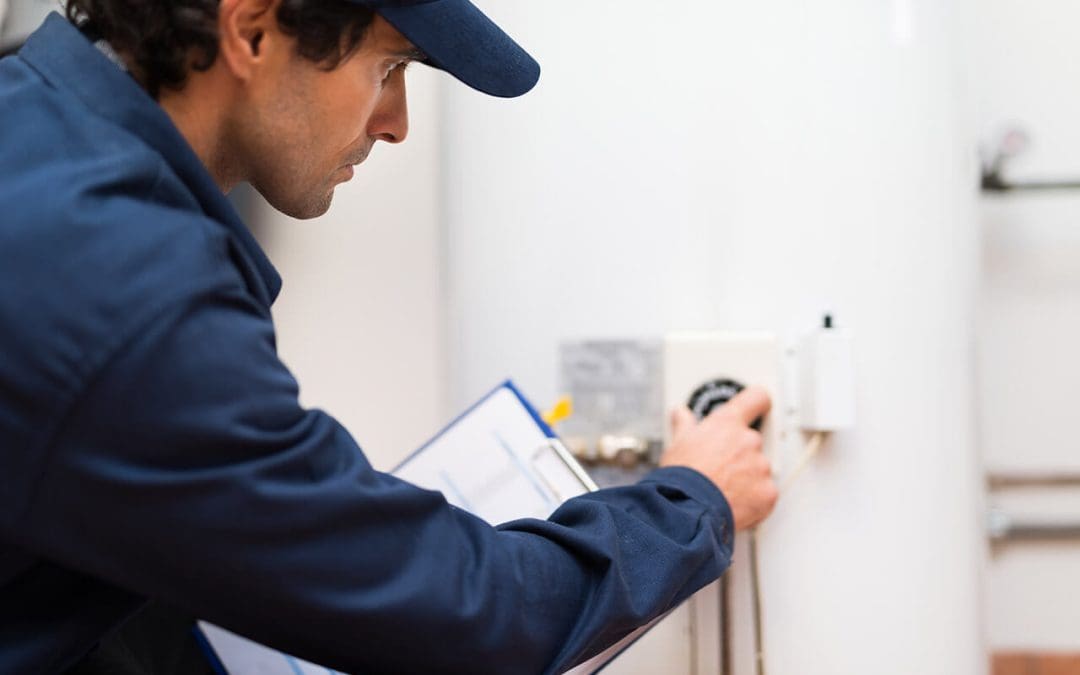
Hot water is something most people take for granted, until the day it runs cold. A reliable water heater keeps showers comfortable, dishes clean, and laundry fresh. However, like any household system, water heaters may develop issues over time. Common water heater problems range from minor annoyances to significant malfunctions affecting the entire home. Understanding these problems before they spiral out of control will save money, time, and frustration.
One of the Most Noticeable Water Heater Problems
Nothing is as frustrating as stepping into a shower expecting warmth, only to be greeted with icy water. A total loss of hot water is one of the most common water heater problems. For gas units, the culprit may be a pilot light that has gone out or a faulty thermocouple. Electric models might have a failed heating element. In either case, professional repair is often required to restore consistent hot water.
Inconsistent Temperatures and Fluctuating Heat
Another common water heater problem is when the temperature swings between too hot and too cold. This inconsistency may result from a failing thermostat or mineral buildup inside the tank. Sediment reduces the efficiency of the heating elements, making it harder for the system to maintain steady water temperatures. Addressing these issues promptly helps restore comfort and prevents long-term damage to the heater.
Strange Noises Coming from the Tank
Popping, rumbling, or banging sounds could be alarming and are often signs of developing water heater problems. These noises usually come from sediment buildup at the bottom of the tank. As water heats, the trapped sediment shifts and hardens, creating the odd sounds. Over time, this buildup reduces efficiency and may damage the tank. Regular flushing could help, but in some cases, replacement becomes the more cost-effective solution.
Water Leaks and Visible Moisture
Leaks are among the most serious water heater problems because they can cause significant damage to floors, walls, and nearby belongings. Small leaks may result from loose connections or a worn valve, but larger leaks often indicate a failing tank. If left unaddressed, a leaking water heater can burst, leading to expensive water damage. Homebuyers, especially, need to be cautious when inspecting a property, as a leaking water heater could be a sign of neglect or larger plumbing issues.
Rusty or Discolored Water
Turning on the hot tap and seeing rusty or brownish water is another red flag. This is one of the water heater problems that often points to internal corrosion. As the inside of the tank wears down, rust particles seep into the water. In some cases, replacing the anode rod will fix the issue, but if corrosion is widespread, a full replacement may be necessary. Rusty water can discolor both your clothes and your fixtures.
Reduced Hot Water Supply
When a water heater suddenly can’t keep up with normal household demand, it may be due to worn heating elements, a broken dip tube, or sediment buildup reducing tank capacity. This type of water heater problem often creeps up gradually, making it easy to miss until hot showers start cutting off early. Regular maintenance is essential to extend the life of the heater, but eventually, replacement may be the only long-term fix.
The Importance of Addressing Water Heater Problems Quickly
Water heater problems rarely resolve themselves; ignoring small issues often leads to larger, more expensive repairs. For homebuyers, spotting signs of trouble during a home inspection will provide leverage in negotiations or prevent costly surprises after moving in. For homeowners, scheduling routine maintenance and repairs guarantees reliable hot water and help extend the life of the system.
FAQs
What is the average lifespan of a water heater?
Most water heaters last between 8 to 12 years, though proper maintenance could extend their life.
Can water heater problems be fixed, or do they usually require replacement?
Many issues, such as faulty heating elements or valves, can be repaired. However, if the tank itself is corroded or leaking, replacement is often the only option.
How often should a water heater be flushed?
Flushing once a year helps prevent sediment buildup, which is one of the most common causes of water heater problems.
Why does my water heater make loud noises?
Strange noises usually result from sediment buildup at the bottom of the tank. Regular flushing will help reduce this issue.
Should homebuyers worry about water heater issues during inspection?
Yes. A failing water heater could be a major expense. If issues are found, buyers can request repairs or negotiate a price adjustment before closing.
Golden Rule Home Inspections offers professional home inspection services in Lee, Collier, and Charlotte Counties. Contact us to schedule an appointment.